
Next retreat: April 14–18, 2026 · Vermont
What the body carries,
the body can release.
These are real participants, speaking in their own words. Click any card to read their full story.
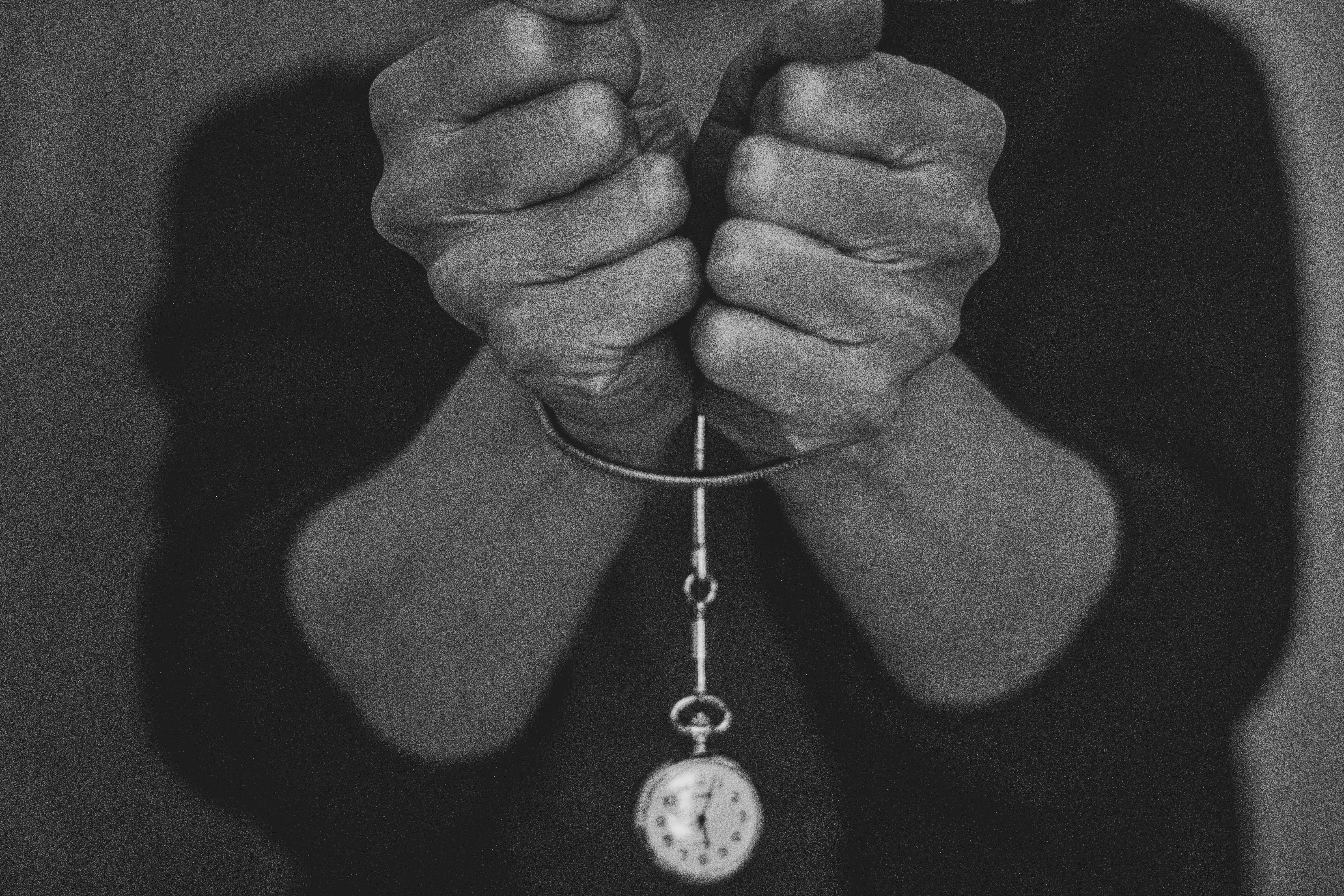
“I came in clenching my fists. I left with open hands.”
Marcus T.
Firefighter, 14 years

“Seventeen years of therapy. Five days here. There is no comparison.”
Diane R.
Survivor, childhood trauma
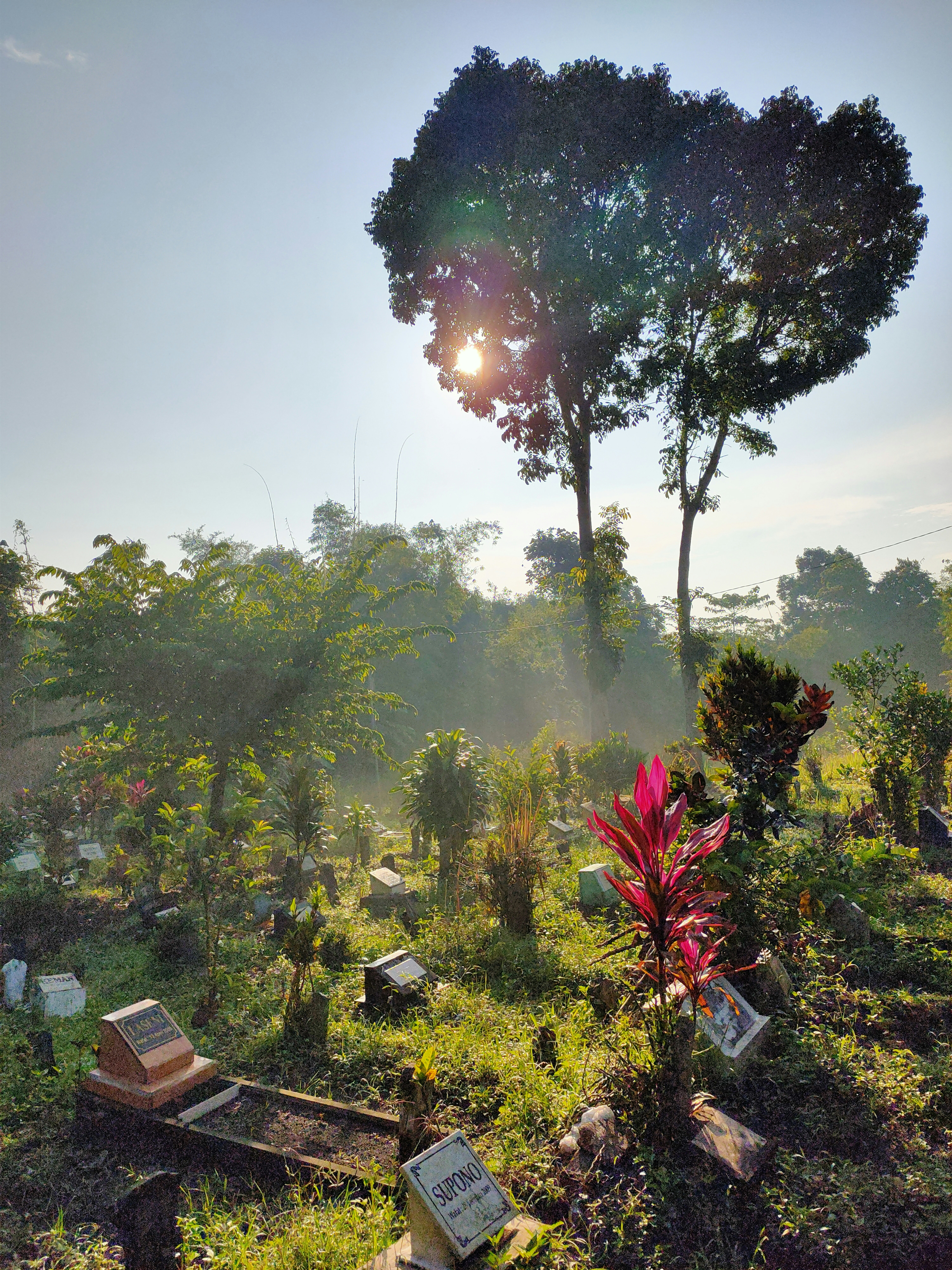
“I didn't cry in twelve years. I cried here. I needed to.”
James O.
Army veteran, two deployments
“The mornings here felt like the first real mornings in years.”
Sofia K.
ER nurse, 8 years
For those who have already
done the work.
This retreat is not a first step. It is for people who have been in therapy, who understand their history, and who have hit a wall — because the wall is in the body, not the mind.
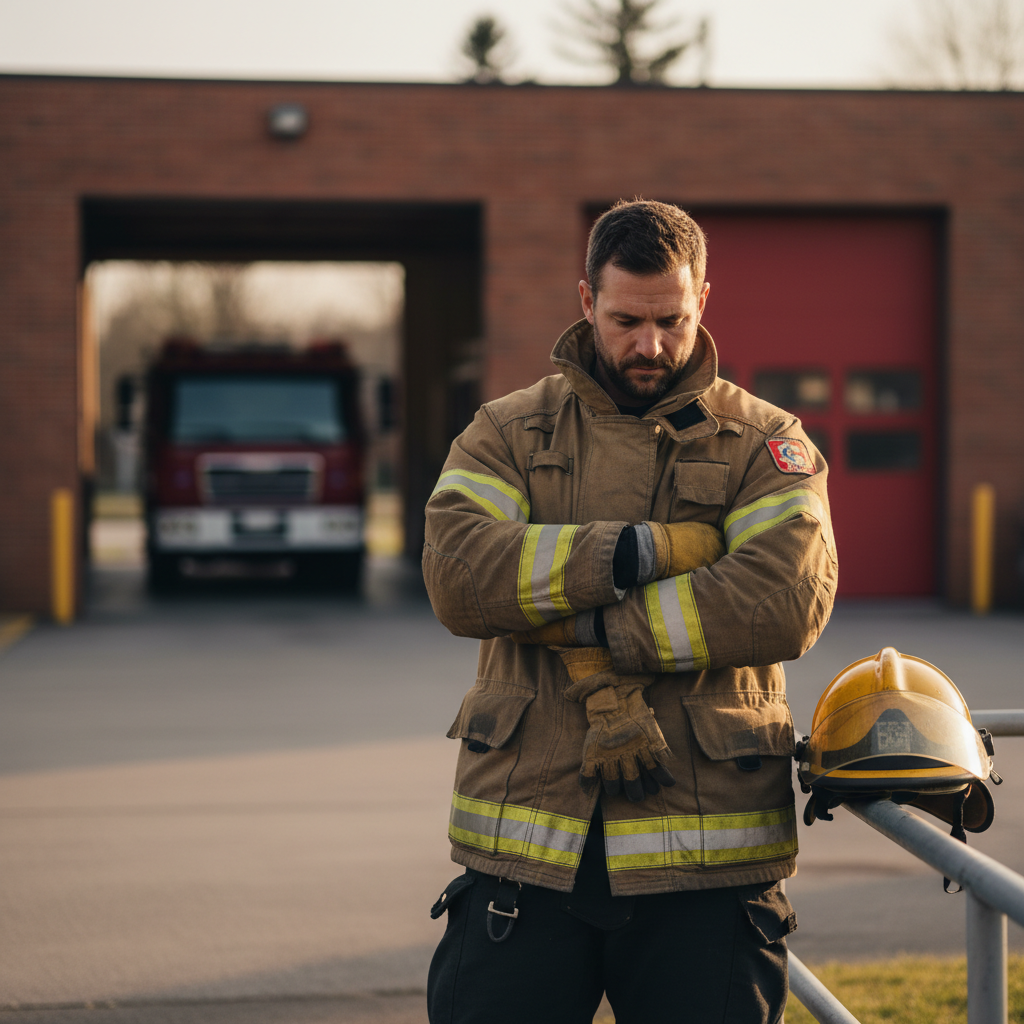 First Responders
You've seen things you can't unsee.
Firefighters, paramedics, police officers — you carry critical incidents in your body long after the incident report is filed. The hypervigilance doesn't clock out when your shift ends. EMDR works specifically with the sensory memories that talk therapy can't fully reach.
68% of first responders report untreated PTSD symptoms after 5+ years of service
 Combat Veterans
The war ended. Your nervous system didn't get the memo.
Hypervigilance, startle responses, the way your body still scans every room — these are not character flaws. They are survival adaptations that outlived their usefulness. Bilateral processing works at the level where these patterns are stored: in the body itself.
EMDR is recognized by the VA as a first-line treatment for combat PTSD
 Childhood Trauma Survivors
You can feel it in your jaw, your shoulders, your gut.
Years of talk therapy gave you language for what happened. But the memory still lives in your body — the bracing, the holding, the way certain smells or sounds pull you back. EMDR addresses the somatic dimension of trauma that words alone cannot reach.
Adults with childhood trauma histories show 84% improvement in PTSD symptoms with EMDR intensive formats
What actually happens
inside these walls.
Transparency is part of the therapeutic container. Here is the shape of your five days.

Arrival & Settling
You arrive to your private room. There is no schedule for the first evening — only a welcome dinner with your cohort (never more than eight participants) and a one-hour orientation with your assigned clinician. The retreat's pace begins here: unhurried, attentive, yours.
Individual clinician meeting · Grounding exercises · Evening walk on the forest trail

The Body Begins
Your first EMDR processing session. We begin with preparation: resourcing, installing a sense of safety in the nervous system before approaching the target memory. The bilateral stimulation — light bar, tactile buzzers, or auditory tones — begins at whatever pace your body indicates.
Two 90-minute EMDR sessions · Somatic check-ins · Optional bodywork

Going Deeper
Many participants describe day three as the turning point. The nervous system, now familiar with the bilateral rhythm, begins to process more readily. Sessions are longer. The spaces between sessions — walks, rest, journaling — are as therapeutic as the sessions themselves.
Two 90-minute EMDR sessions · Nature integration · Peer sharing (optional)

Integration
Processing continues, but with a shift toward integration. What has emerged over three days begins to find its proper place in your narrative. Your clinician works with you on meaning-making — not to explain away what happened, but to allow it to exist as past rather than present.
One extended EMDR session · Integration therapy · Letter-writing exercise
Return & Continuity
The final morning is for consolidation. You meet with your clinician to review what was processed, identify what remains, and build a continuity plan for working with your home therapist. You leave with a clinical summary and a clear path forward — not an ending, but a passage.
Closing session · Clinical summary · Continuity plan · Optional group reflection
People who won't
look away.
Every clinician on our team carries EMDRIA certification, a minimum of ten years in trauma specialization, and a personal commitment to this work that goes beyond credentials. You will be matched with a clinician based on your history before you arrive.

Dr. Amara Osei-Bonsu
Clinical Director & Lead EMDR Therapist
PhD, Licensed Clinical Psychologist · EMDR-HAP Certified · 18 years specializing in complex PTSD
“The body keeps the score — but it also keeps the path back. My work is to sit with someone while their nervous system finds that path.”
Specialty: Complex trauma, first responders, military

Dr. Thomas Reinholt
Senior EMDR Clinician
PsyD, Licensed Psychologist · EMDRIA Certified · Specialized in combat trauma & moral injury
“Veterans often tell me they don't trust the process. I tell them: you don't have to trust the process. You just have to stay in the room.”
Specialty: Combat PTSD, moral injury, first responders

Kezia Mburu, LCSW
Somatic Integration Specialist
LCSW · EMDR-Certified · Somatic Experiencing Practitioner · 12 years in childhood trauma
“The jaw that won't unclench, the shoulders that won't drop — these are not symptoms to be managed. They are the body's attempt to protect you. We work with that protection, not against it.”
Specialty: Childhood trauma, somatic approaches, women's trauma
The container is
already holding you.
Cohorts are limited to eight participants. Each retreat date fills months in advance.
Upcoming Dates
April 14–18, 2026
Vermont
June 8–12, 2026
Vermont
September 21–25, 2026
Vermont